
New Tires in Washington, DC, Installed at Our Minnesota Ave NE Shop
3820 Minnesota Ave NE, Washington, DC 20019 · Open daily
Walk-ins welcome, no appointment needed
Need new tires in Washington, DC? Minnesota Tire and Auto Service, Inc. sells and installs them at 3820 Minnesota Ave NE, and you can stop by any day of the week. Walk-ins are welcome, and you don't need an appointment. Tell us what your car needs, and we'll help you find tires that suit your vehicle, your driving, and your budget.
Would you rather get answers first? Call (202) 640-0959 and tell your vehicle details or tire size, and we'll give you options before you make the trip.
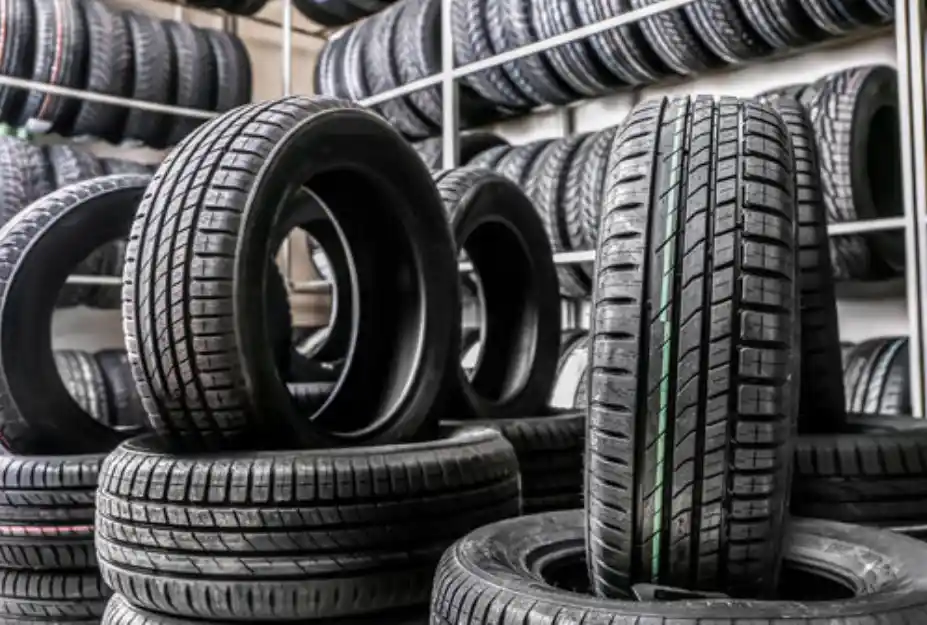
Open daily | Walk-Ins Welcome for Tires & Alignment
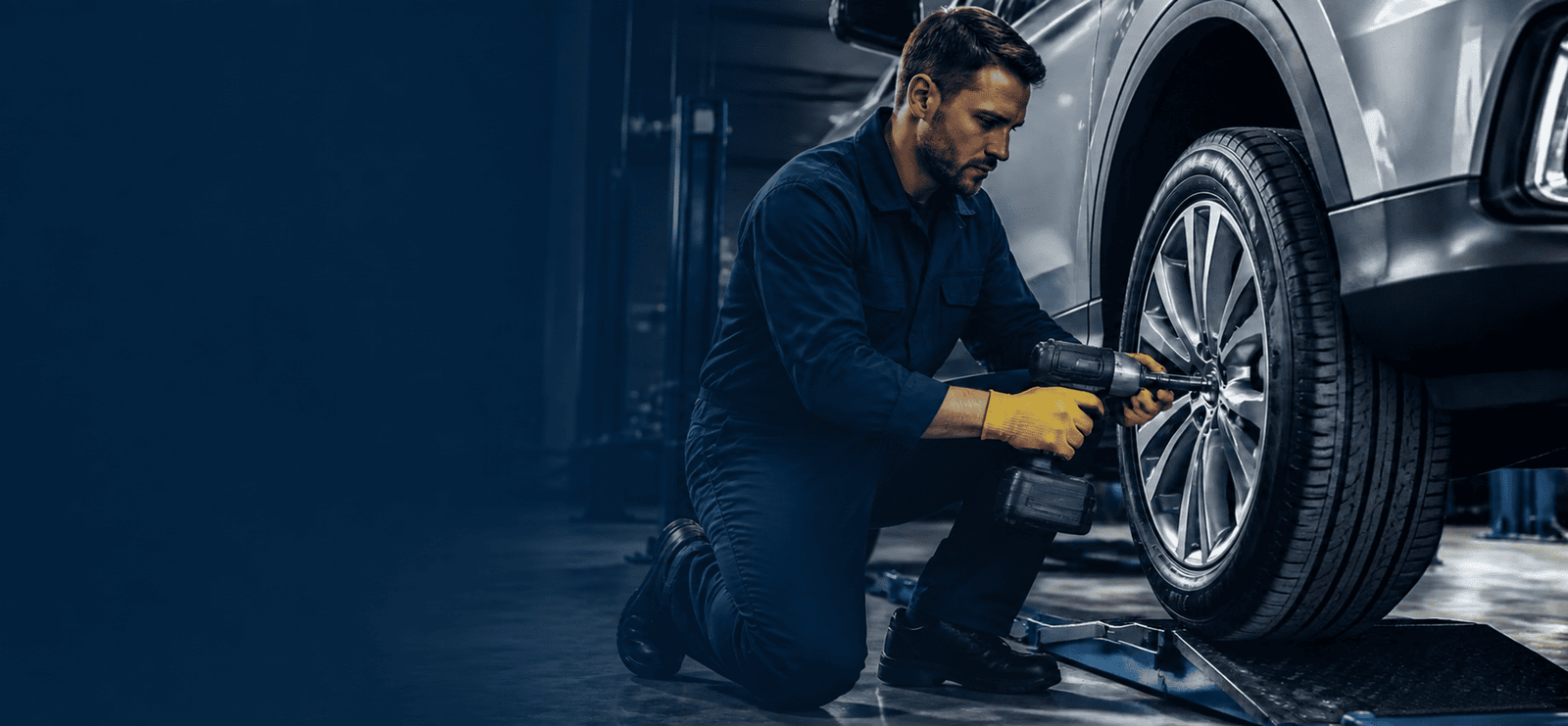
New Tire Sales and Installation on Minnesota Ave NE
Most drivers arrive for one of three reasons: worn tread, a tire too damaged to repair, or a set that has simply aged out. Whatever brought you in, we start by looking at the tires you have now.
What to Expect When You Visit
Walk in during open hours, or call ahead if you'd like to check on your size first. A typical visit goes like this
1. Tell us about your car. Mention anything you've noticed, such as worn tread, vibration, pulling to one side, or a slow leak
2. We look over your tires. Then we talk through your options.
3. You get a price. Ask for the full total before work starts, and we'll walk you through what it covers.
4. We mount and balance your new tires.
5. We check what else makes sense. An alignment or brake inspection may help before you leave.
Signs You Need New Tires
Tires don't always fail loudly. These signs deserve attention:
Shallow tread. Place a penny in a tread groove with Lincoln's head pointing down. If you can see all of his head, your tread is low. Most tire makers treat 2/32 of an inch as the point at which a tire is worn out.
Age. Rubber hardens over time, even when the tread looks fine. Find the DOT code on the sidewall, where the last four digits show the week and year of manufacture. Many manufacturers suggest an inspection once a tire reaches six years old.
Damage. Bulges, cracks, deep cuts, and punctures in the sidewall usually mean replacement, because those areas can't be repaired safely.
Vibration or pulling. A shaking steering wheel often points to a balance problem. A car that drifts to one side may need an alignment, though a worn tire can cause either symptom.
City streets add their own wear. Potholes, especially after winter, can bruise a sidewall or knock a wheel out of alignment. If you hit one hard, have someone check the tire even if it still holds air.
Choosing the Right New Tires for DC Driving
Washington sees hot summers, cold and wet winters, and the occasional snowfall. For that reason, all-season tires work well for many drivers, since they handle dry roads, rain, and light winter conditions. Winter tires make more sense if you regularly drive in snow or ice. Performance tires favor sharp handling and dry-road grip, although they can wear faster.
Your tire size appears on the sidewall in a format like 225/65R17. The first number is the width in millimeters. The second is the sidewall height as a percentage of that width, and the last is the wheel diameter in inches. You'll also see a load index and a speed rating, which show how much weight and speed the tire is built to handle. Match all of these to your owner's manual or the sticker inside your driver's door.
Don't feel like decoding it? Bring the car by, or call with your vehicle's year, make, and model, and we'll help you sort it out.
Replace One Tire, Two, or All Four?
A single damaged tire doesn't always call for a full set. The right choice depends on how worn the other three are. A new tire has much deeper tread than an old one, and a big difference can change how the car handles. On all-wheel-drive vehicles, mismatched tread can also strain the drivetrain.
Many drivers replace tires in pairs on the same axle, and some choose all four. Check your owner's manual first. Then let us measure your tread and recommend the option that fits your car.
New Tires or Used Tires?
We sell both, and each has its place. New tires give you full tread depth, a known age, and the longest service life. Used tires cost less up front, which helps if you need a safe fix on a budget or drive an older car.
If you're leaning toward used, check the tread depth, the date code, and the sidewall condition before you buy. Ask us to point out what to look for. You can also read more about our used tires before you visit.
Pair New Tires With Alignment, Balancing, and Brake Checks
New tires perform best when the rest of the system is in good shape. Wheel balancing spreads weight evenly around each wheel so the tire spins smoothly. Without it, you may feel vibration in the steering wheel or the seat.
Wheel alignment is a separate job. It sets the angles of your wheels so the car tracks straight and the tires wear evenly. If your car pulled to one side before, an alignment helps protect your new set.
A brake inspection also fits well into a tire visit. Brakes affect stopping distance as much as tires do, and a quick look can catch problems early.
Visit Us at 3820 Minnesota Ave NE
You'll find us at 3820 Minnesota Ave NE, Washington, DC 20019, in Northeast DC. We're on the same avenue as the Minnesota Avenue Metro station, which sits at 4000 Minnesota Ave NE. We stay open seven days a week.



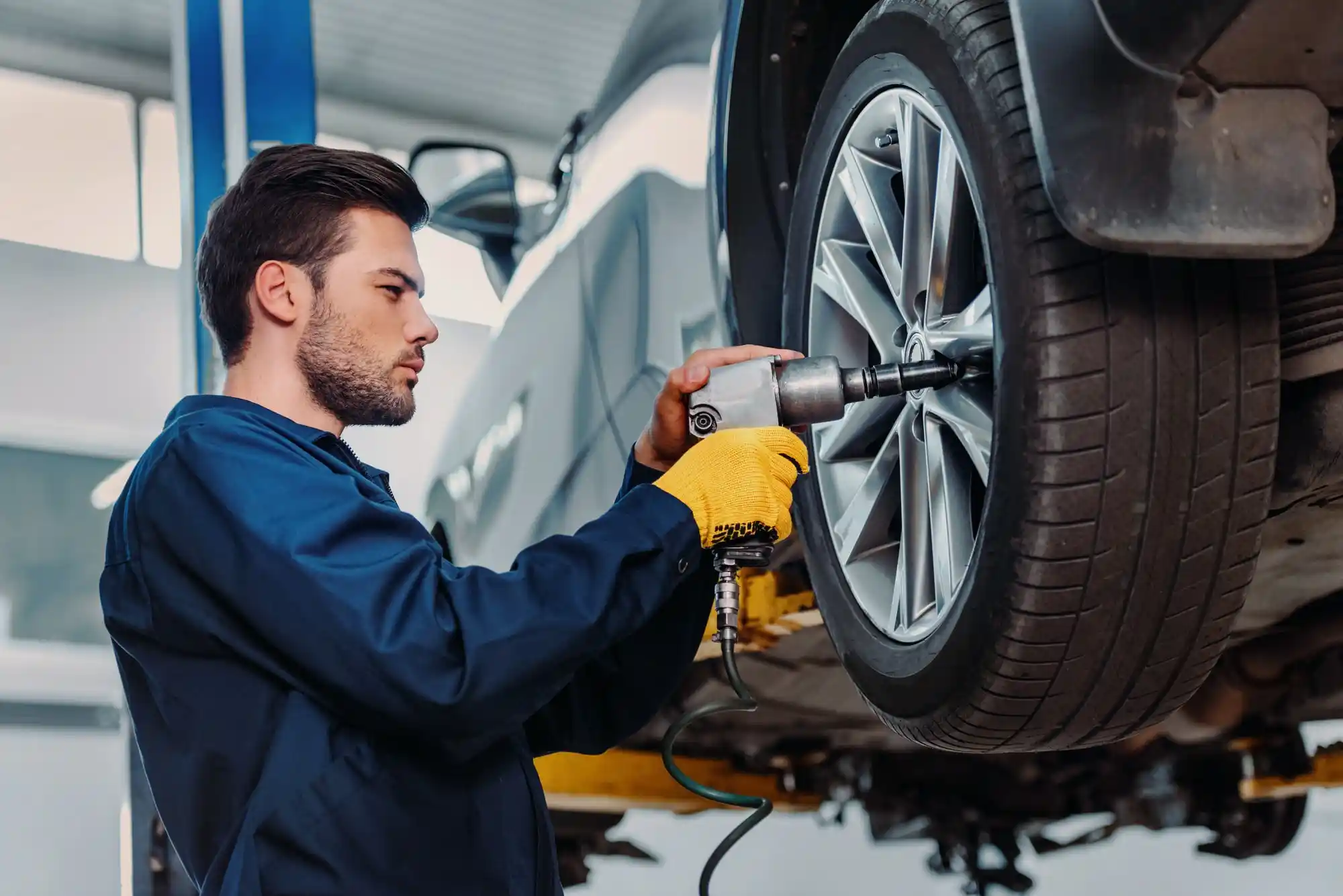
Walk in during our open hours—no appointment is needed for tires. Or call *(202) 640-0959* to check tire availability, pricing, or the right size for your vehicle. Stop by Minnesota Tire and Auto Service and let us help you find the right new tires for your car and your budget.
Frequently Asked Questions
The price depends on your tire size, the brand and type you choose, and what your vehicle needs. Call (202) 640-0959 or request a free quote with your vehicle details, and we'll go over the options and the total with you.
No. Walk-ins are welcome, and no appointment is required. If you'd like to confirm your size first, call us before you come.
Call (202) 640-0959 and tell your vehicle's year, make, and model, plus the size printed on your tire sidewall. We'll check what we can offer for your car.
The time depends on how many tires you need and how busy the shop is. Walking in is fine, and you can call ahead to ask about current wait times.
Replace them when the tread wears down to about 2/32 of an inch, when you see bulges, cracks, or sidewall damage, or when they've aged out. Many manufacturers suggest an inspection at six years, even when the tread looks fine. Vibration or pulling is also worth checking.
Not always, but it's smart to check. If your car pulls to one side, your steering wheel sits crooked, or your old tires wore unevenly, an alignment can help protect the new set.
Replace them when the tread wears down to about 2/32 of an inch, when you see bulges, cracks, or sidewall damage, or when they've aged out. Many manufacturers suggest an inspection at six years, even when the tread looks fine. Vibration or pulling is also worth checking.