
3820 Minnesota Ave NE, Washington, DC 20019 · Open daily
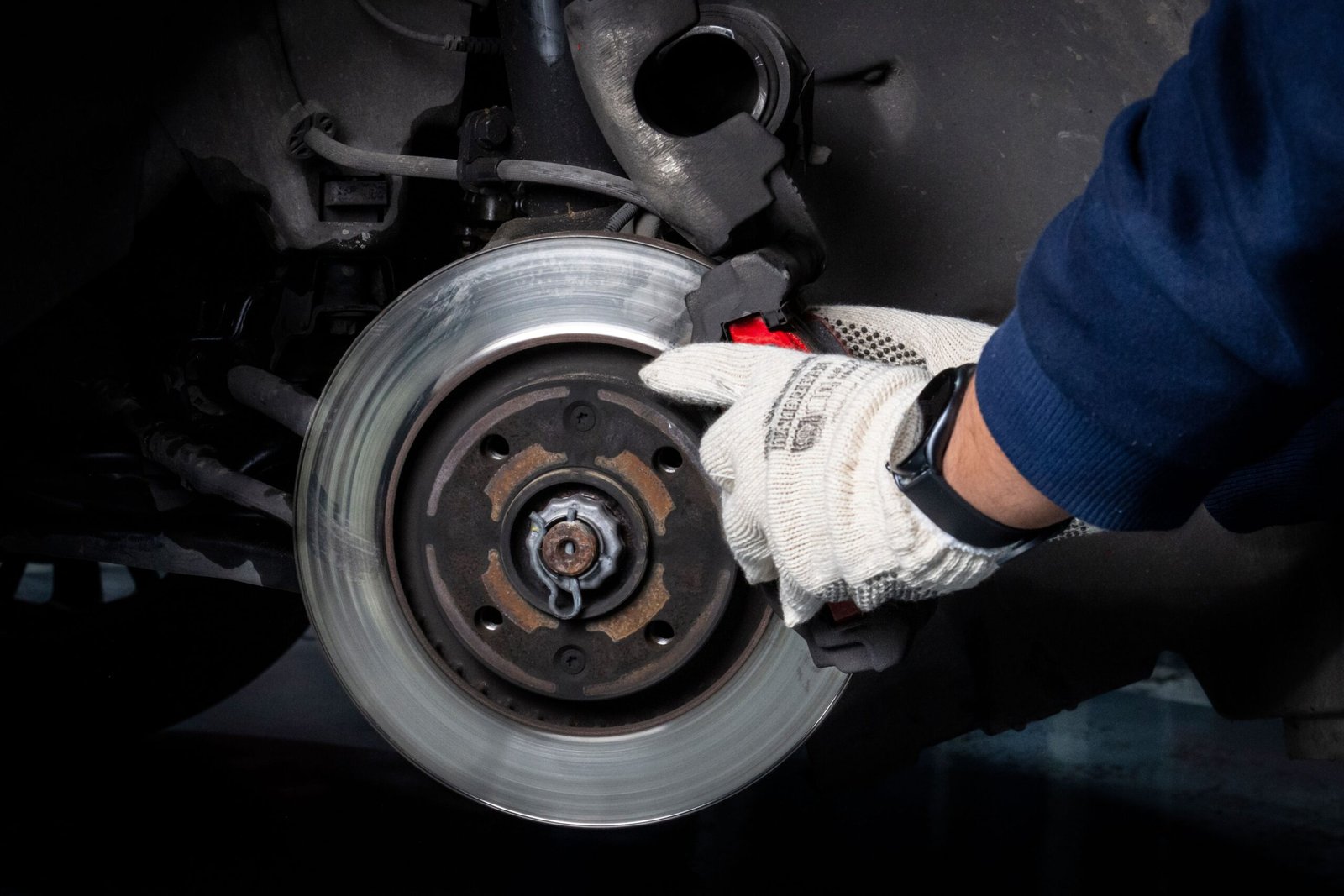
Squeaking, grinding, or a soft brake pedal is never something to put off. Minnesota Tire and Auto Service, Inc. offers brake inspection and repair in Washington, DC at 3820 Minnesota Ave NE. Brake work falls under our scheduled mechanic services, so call (202) 640-0959 to set up a time, and we’ll get your car checked and back on the road safely.
Open daily
Why Brake Inspection and Repair Matters
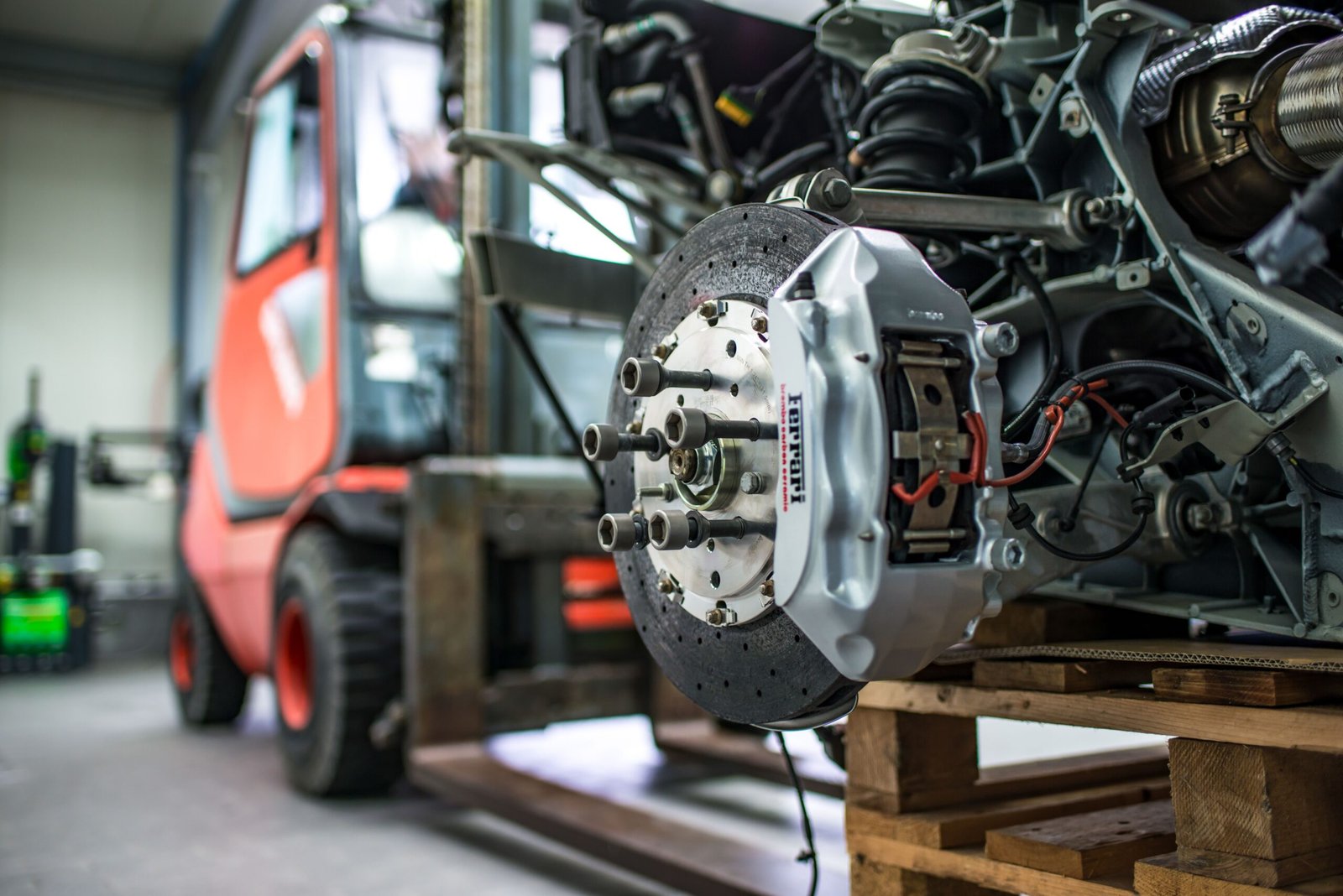
Brakes wear down gradually, which means many drivers don’t notice a problem until it’s already serious. A full brake inspection and repair visit catches wear early, before a worn pad turns into a damaged rotor or a soft pedal turns into a real safety risk. In a city with as much stop-and-go traffic as Washington, DC, brakes work harder than they would on open highway driving, which means they wear faster than many drivers expect.
Signs You Need Brake Repair
Don't wait for a warning light. These signs usually show up before your dashboard does:
Any one of these is worth a call. Several at once means don't wait.
What Our Brake Inspection Includes
A proper brake inspection and repair visit covers the full system, not just the pads. We check:
We'll walk you through exactly what we find before we do any work, so you know what's wearing normally and what actually needs repair.
Common Brake Repairs We Handle
Brake issues range from routine maintenance to more involved repairs. Common jobs include:
Tell us what you're noticing when you call, and we'll have a better idea of what to expect before your car is even on the lift.
There's no single mileage number that fits every driver, since brake wear depends heavily on driving style and how much stop-and-go traffic you deal with. As a general guide, many drivers should have brakes inspected roughly every 10,000 to 12,000 miles, though city driving in Washington, DC can wear pads faster than that. If you're noticing any of the warning signs above, don't wait for a scheduled interval. Call and get it checked.
Pair Brake Service With Tires and Alignment
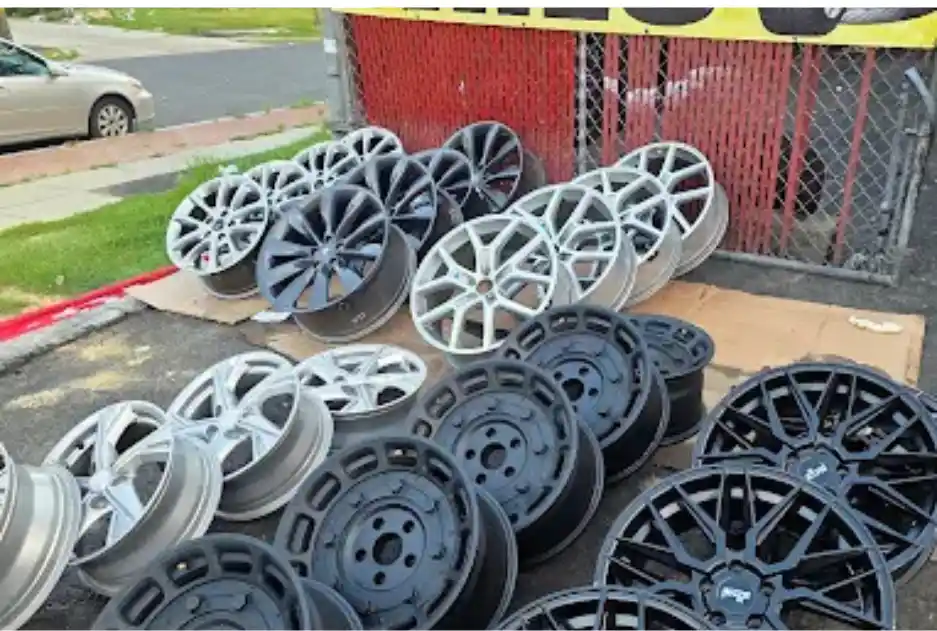
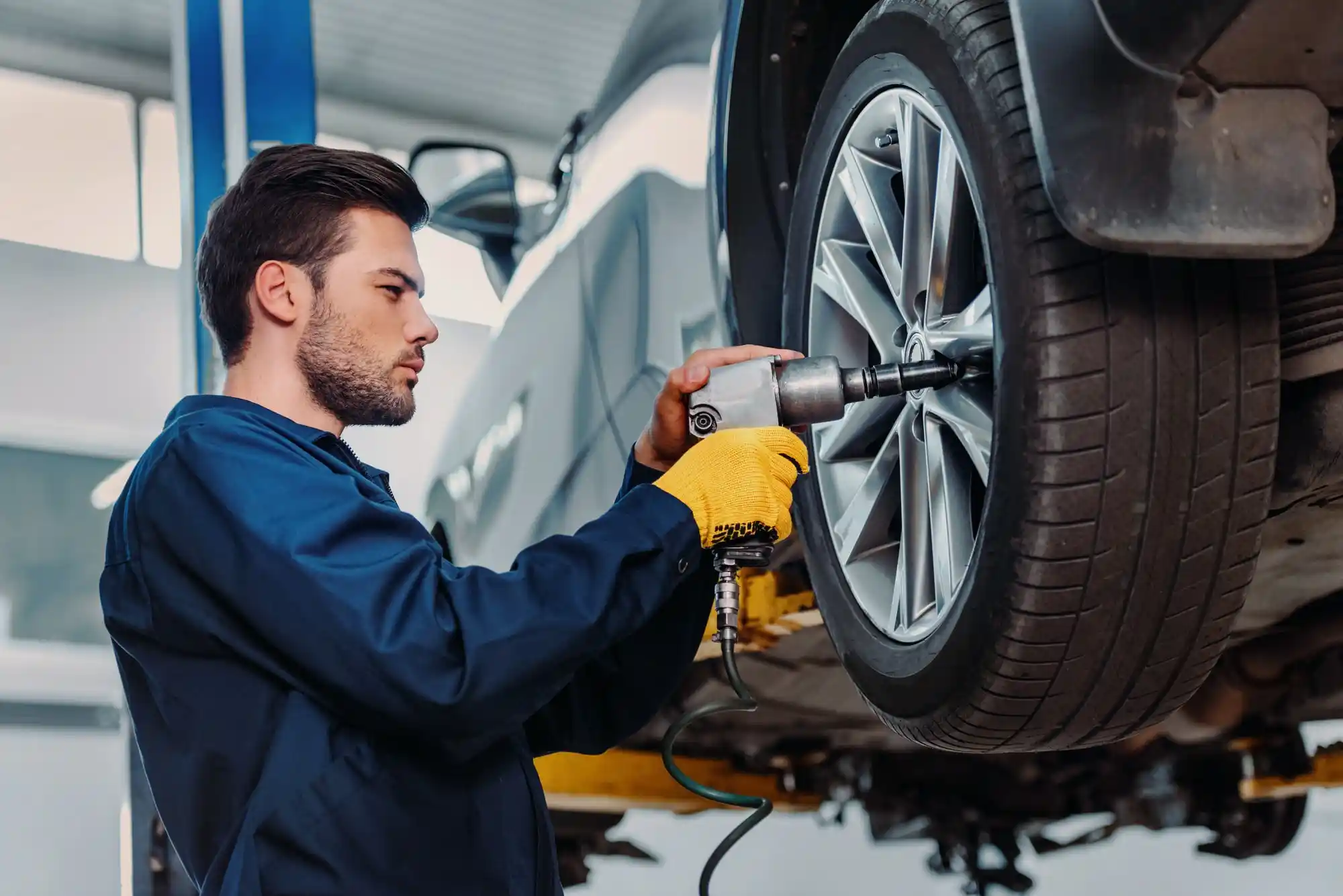
Brakes don’t work in isolation. If you’re also due for new tires or used tires, it’s worth mentioning when you call, since we can often look at everything in the same visit. A wheel alignment check makes sense too, since how your car handles under braking is affected by how well it’s aligned. Unlike tires and alignment, brake work is scheduled rather than walk-in, so call ahead and we’ll coordinate everything your car needs into one visit where possible. Minnesota Tire and Auto Service, Inc. offers brake inspection and repair in Washington, DC at 3820 Minnesota Ave NE. Brake work falls under our scheduled mechanic services, so call (202) 640-0959 to set up a time, and we’ll get your car checked and back on the road safely.
Visit Us at 3820 Minnesota Ave NE



Walk in any day during open hours, no appointment needed, or call (202) 640-0959 first if you'd like to check pricing or availability for your size. Either way, we'll help you find a tire that fits your car and your budget.
Frequently Asked Questions
Squeaking, grinding, a soft pedal, vibration when braking, pulling to one side, or a longer stopping distance are all signs it’s time for an inspection. A dashboard warning light is a sign too.
Yes. Brake work is part of our scheduled mechanic services, so call (202) 640-0959 to set up a time. Tires and alignment are walk-in, but brake repair is scheduled so we can plan the right time and parts for your car.
It depends on what your car needs, from a routine pad replacement to more involved caliper or rotor work. Call (202) 640-0959 and describe what you're noticing, and we'll give you a clearer idea before your visit.
Many drivers should have brakes checked roughly every 10,000 to 12,000 miles, though city driving can wear pads faster. If you notice any warning signs, get it checked sooner rather than waiting.
Grinding usually means the brake pad has worn through, and metal is now contacting metal. This can damage your rotors if it’s not addressed quickly, so call us as soon as you notice it.